

Frequently Asked Questions
I think I’m autistic… Now what?
I get this question a lot, so I made a video to address next steps.
Are there online tests I can take to help me determine if I’m autistic?
Yes and no. Yes, there are helpful tests available that can give you more information regarding whether or not you may be on the autism spectrum. But these online tests are not the same as a professional assessment. They are only a guide. My favorite website for online autism tests is Embrace Autism.
The two tests I find the most helpful are:
Is a self diagnosis valid?
Many people in the autistic community respect self diagnosis due to the fact that it can be challenging to find a provider who understands autism in adults (especially women) well enough to diagnosis it. There are many stories of people being denied a diagnosis solely because they can make eye contact or have friends. Neither of these things should be used to deny anyone an autism diagnosis if they meet the criteria in other ways.
In my own experience, many people I know in the autistic community who self-diagnose do not take this lightly and spend ample amount of time researching to the point they know every detail of the DSM-5 diagnostic criteria for autism. Many of these people are also in situations where visiting a qualified provider is not an option, and a self-diagnosis provides the validation they need to live a more fulfilling life.
For a further exploration on professional vs. self diagnosis, you may find the videos below helpful.
Where can I go to receive an autism evaluation?
These are several providers I can recommend:
Spectrus Psychological Services, Corp.
Northern Colorado Assessment Center
I also have a longer list of recommendations in my Big Autistic Resource Guide.
How do I navigate the diagnostic process?
The diagnostic process can be very overwhelming! Your overall experience will vary depending on your provider’s approach, but I can offer one tip that will help regardless of where you go for your evaluation:
The MOST helpful thing I did for myself was taking the time to write out why I believed I met the criteria for an autism diagnosis. My provider said this was very helpful to her, and it also alleviated stress for myself because it left fewer things for me to communicate during my actual evaluation.
I detail how to do this in the video below. You can also check out my full Diagnostic Process video playlist here.
I’ve gone so long without an official diagnosis…Why should I seek one now?
While it can feel like it may not matter, I made this video explaining why it definitely does!
I’m not autistic, but someone I know is. How can I learn more and support them?
Realizing you are autistic is a lot to process and the thought of communicating that to friends and family can feel daunting. Below is a playlist of videos that could be helpful to watch if someone you know has shared that they are autistic with you.
Where can I connect with other people who understand me?
Connecting with other autistic people is one of the most impactful things I have experienced since realizing I am autistic at 31 years old. That is why I do what I do and love the community that we have built! Check out more information about joining our online community below.
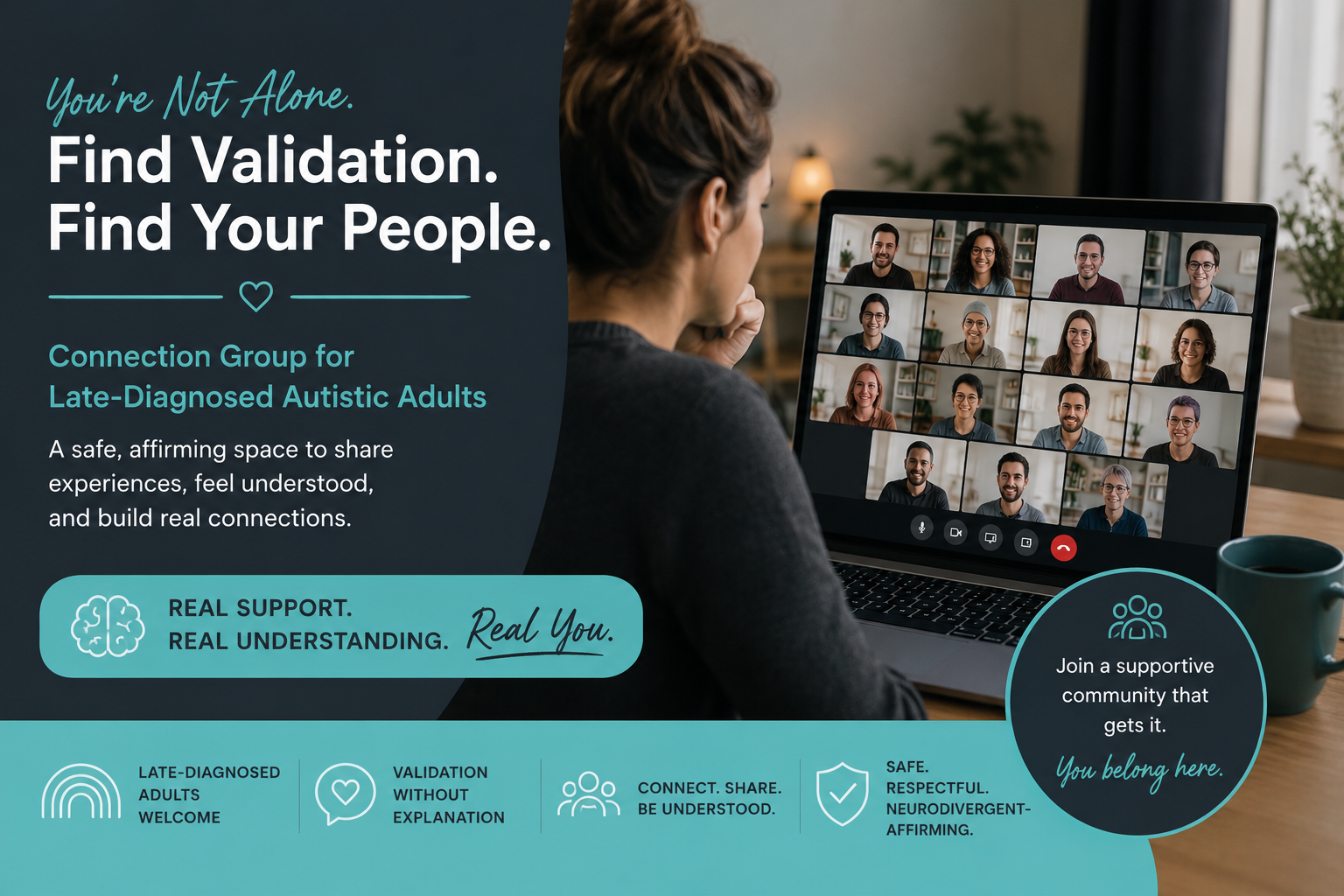
And if you’re looking for an even deeper level of support, Connection Groups might be the best fit for you. A Connection Group membership comes with access to the online community mentioned above plus weekly, guided discussion groups where you are always welcome to leave your camera off and participate (or not participate) in whatever way feels comfortable. You can find more info below.
Should I tell my employer I’m autistic?
Deciding when and with whom to share your autism diagnosis is a big decision that only you can make. There are a lot of things to consider before sharing with your workplace (if you choose to do so). Below is a video I made with some important things to consider during the process.
I feel like I’m constantly in burnout. How do I navigate this?
Burnout is very common for autistic individuals and that’s why I have an entire playlist dedicated to this topic. You can check it out below:
What is unmasking and how do I begin to do that?
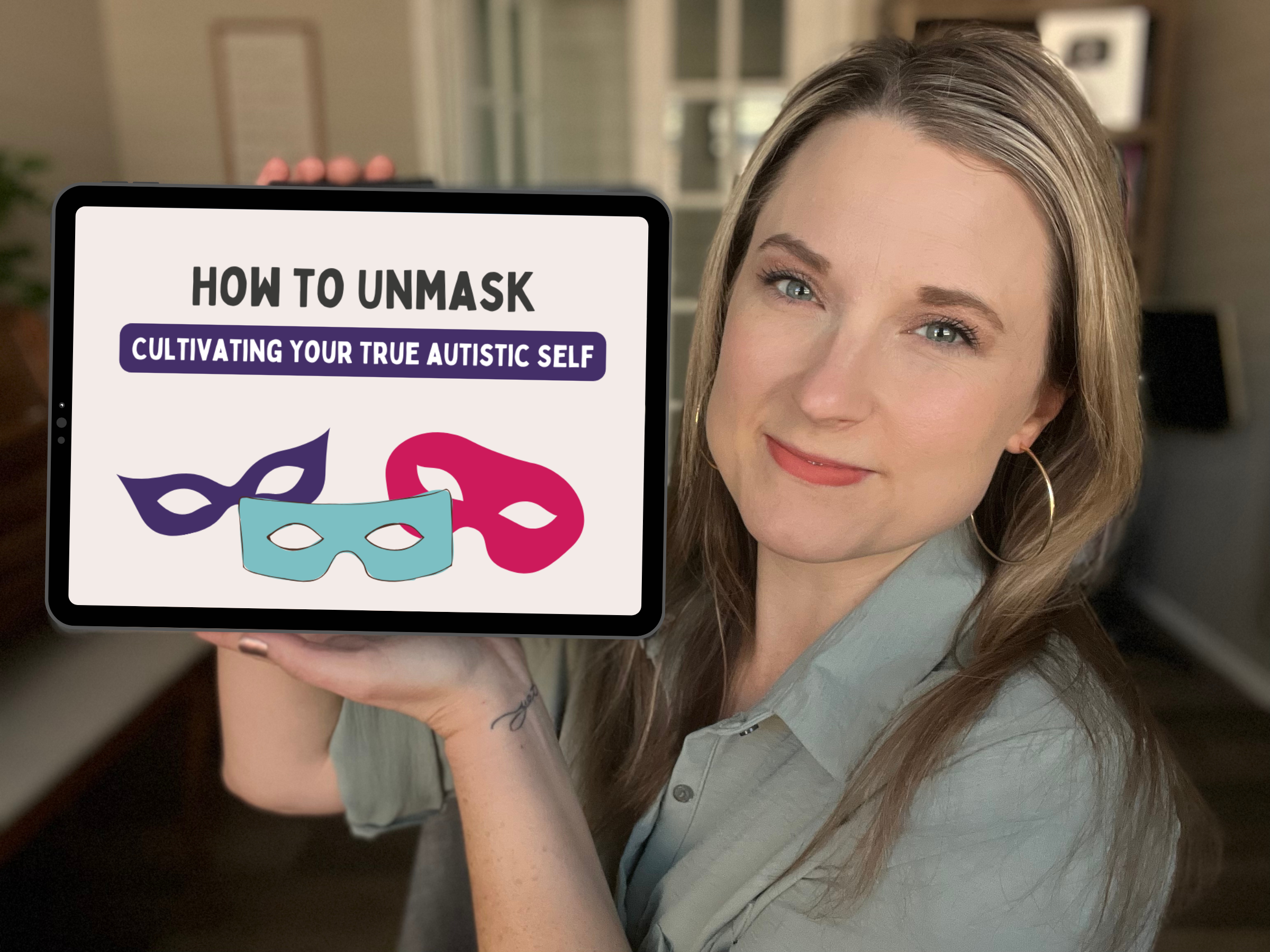
Unmasking refers to the process of reducing or letting go of behaviors someone has learned to use in order to appear more neurotypical or socially acceptable. This topic is so important to me that I made a full course over it!
Learn practical, real-life strategies for unmasking safely, understanding your autistic needs, and reconnecting with your authentic self. Click here to explore the course.
Now that I know I’m autistic, what accommodations would be helpful?
Accommodations can range from mindset-shifts, asking for support, sensory tools, and beyond. Below is a collection of videos about accommodations that you may find helpful as well as a link to some of my favorite sensory supports.
Is it possible to talk one-on-one about questions/challenges I’m experiencing with Taylor?
Yes! Availability is limited. Please follow the link below to learn more about one-on-one offerings.
I have many more digital resources to help support you on your late-diagnosed autistic journey. Feel free to check them out through the link below: